In this guide
Antioxidants are compounds that neutralize free radicals—unstable molecules that can damage cells and DNA. Because oxidative stress is one of the biological processes studied in relation to prostate disease, antioxidants such as lycopene, selenium, vitamin C, vitamin E, and certain polyphenols have drawn attention for prostate health. The honest summary of the evidence is this: diets rich in antioxidant-containing foods are consistently associated with better prostate outcomes, but antioxidant supplements have not been shown to prevent prostate cancer, and some have caused harm in large trials. Food-first choices are reasonable; high-dose supplement pills are not a proven prostate strategy.
Why the Prostate Is a Focus for Antioxidant Research
The prostate is a gland that concentrates certain nutrients, including zinc, and it is exposed to oxidative stress through normal metabolism and inflammation. Researchers have therefore asked whether antioxidant status influences prostate cancer risk or the progression of benign prostate enlargement. Global prostate cancer incidence reached an estimated 1.467 million new cases in 2022, and US incidence rose about 3.0% per year from 2014 to 2021 after a long decline [S1]. Those figures describe disease burden, not proof that antioxidants change risk.
Much of the supporting evidence is observational: it compares people with higher versus lower intake of antioxidant-rich foods. Observational studies can suggest associations but cannot show cause and effect, because people who eat more produce and lycopene-rich foods may differ in many other ways. The strongest test—randomized controlled trials of antioxidant supplements—has generally been disappointing, which is why the distinction between food and pills matters so much.
What the Evidence Shows for Specific Antioxidants
The most-studied antioxidants for prostate health fall into three broad groups: carotenoids, particularly lycopene; trace minerals such as selenium and zinc; and polyphenols including catechins, quercetin, and curcumin. Vitamin C and vitamin E have also been studied as antioxidants that work in different cellular environments [S1]. The table below summarizes the practical state of the evidence for each.
| Antioxidant | Main food sources | What the evidence suggests | Practical takeaway |
|---|---|---|---|
| Lycopene | Cooked tomatoes, tomato products, watermelon, pink grapefruit | Population studies suggest an association with lower prostate cancer risk, but intervention trials are inconsistent [S2] | Favor tomato-based foods; do not rely on lycopene pills for prevention |
| Selenium | Brazil nuts, seafood, eggs, grains | Large trials did not show prostate cancer prevention; excess intake carries risks | Meet needs through food; avoid high-dose supplements unless a clinician advises |
| Vitamin E | Nuts, seeds, vegetable oils, leafy greens | A major trial found increased prostate cancer risk with high-dose vitamin E supplementation | Do not take high-dose vitamin E for prostate protection |
| Vitamin C | Citrus, peppers, berries, broccoli | Water-soluble antioxidant; supplement trials have not shown prostate cancer prevention | Get it from foods; supplements are not a proven prostate measure |
| Polyphenols (catechins, quercetin, curcumin) | Green tea, onions, apples, turmeric, berries | Early and mixed evidence; mostly laboratory and small human studies | Enjoy polyphenol-rich foods; treat supplement claims as unproven |
| Zinc | Meat, shellfish, legumes, seeds | Essential for prostate function, but high-dose supplementation has been linked to worse outcomes in some studies | Maintain normal intake; avoid megadoses |
Two large randomized trials are worth knowing by name because they shape the advice. The Selenium and Vitamin E Cancer Prevention Trial (SELECT) tested selenium and vitamin E in thousands of men and found no reduction in prostate cancer; vitamin E supplementation was associated with an increased risk of prostate cancer. The Prostate Cancer Prevention Trial examined finasteride rather than antioxidants, but it illustrates how prevention questions require large trials. The lesson is that plausible biology does not guarantee benefit, and supplements can be harmful.
Food First: A Practical Plate for Prostate Health
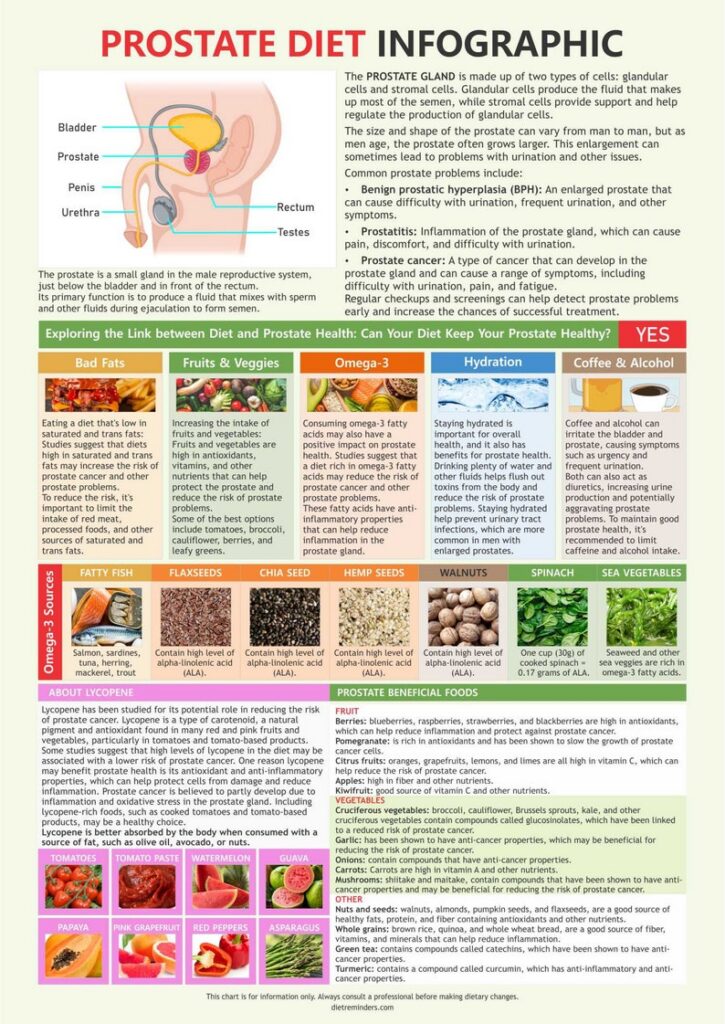
Rather than chasing individual antioxidant pills, build a dietary pattern that supplies a range of these compounds alongside fiber and unsaturated fats. A practical approach looks like this:
- Cook tomatoes with a little olive oil several times a week—lycopene is better absorbed from cooked, fat-containing tomato dishes.
- Eat colorful produce daily: leafy greens, berries, peppers, carrots, and citrus cover vitamin C, carotenoids, and polyphenols.
- Choose green tea or black tea as a regular beverage for catechins.
- Use turmeric and onions in cooking for curcumin and quercetin, though culinary amounts are modest.
- Include nuts and seeds for vitamin E and zinc in food-form doses.
- Limit processed meat and very high-calorie diets, which are associated with worse prostate outcomes independent of antioxidants.
This pattern is not a treatment for prostate cancer or benign prostatic hyperplasia (BPH). It is a reasonable general diet that happens to be rich in antioxidants. Anyone with urinary symptoms, a rising PSA, or a family history of prostate cancer should discuss screening and diagnosis with a clinician rather than self-treating with supplements.
Risks and Limits of Antioxidant Supplements
Supplements are not automatically safe because the compounds occur in food. High-dose selenium can cause selenosis, with hair loss and nail changes. High-dose vitamin E has been linked to increased prostate cancer risk in a major trial. Vitamin C in very large doses can cause digestive upset and, in people with kidney problems, other issues. Zinc megadoses can interfere with copper absorption. Antioxidants can also interact with chemotherapy and radiation therapy, so anyone in cancer treatment should discuss supplements with their oncology team before starting them.
A further limitation is regulatory. In many countries, dietary supplements are not reviewed for efficacy before sale, and label doses vary. A product’s marketing claims are not evidence of benefit. When a label says “supports prostate health,” that phrase is generally a structure-function claim, not a demonstrated clinical outcome.
What to Discuss With Your Clinician
Bring a simple list to your next appointment: the foods you eat regularly, any supplements you take with doses, urinary symptoms, and your family history. Ask whether any supplement is appropriate given your medications and health conditions. If you have been diagnosed with prostate cancer, ask specifically whether any antioxidant supplement could interfere with treatment. For most men, the most defensible plan is a produce-rich diet, regular physical activity, and appropriate screening—not a shelf of antioxidant capsules.
The evidence on antioxidants and the prostate is best described as promising for food patterns and negative for high-dose supplements. That is not a reason to ignore antioxidants; it is a reason to get them from meals and to be skeptical of prevention claims on supplement labels.
Sources
- [S1] Why Antioxidants Matter for Prostate Health : 6 Benefits (bensnaturalhealth.com)
- [S2] Antioxidants – Prostate Health Articles and Resources (supplementforprostate.com)